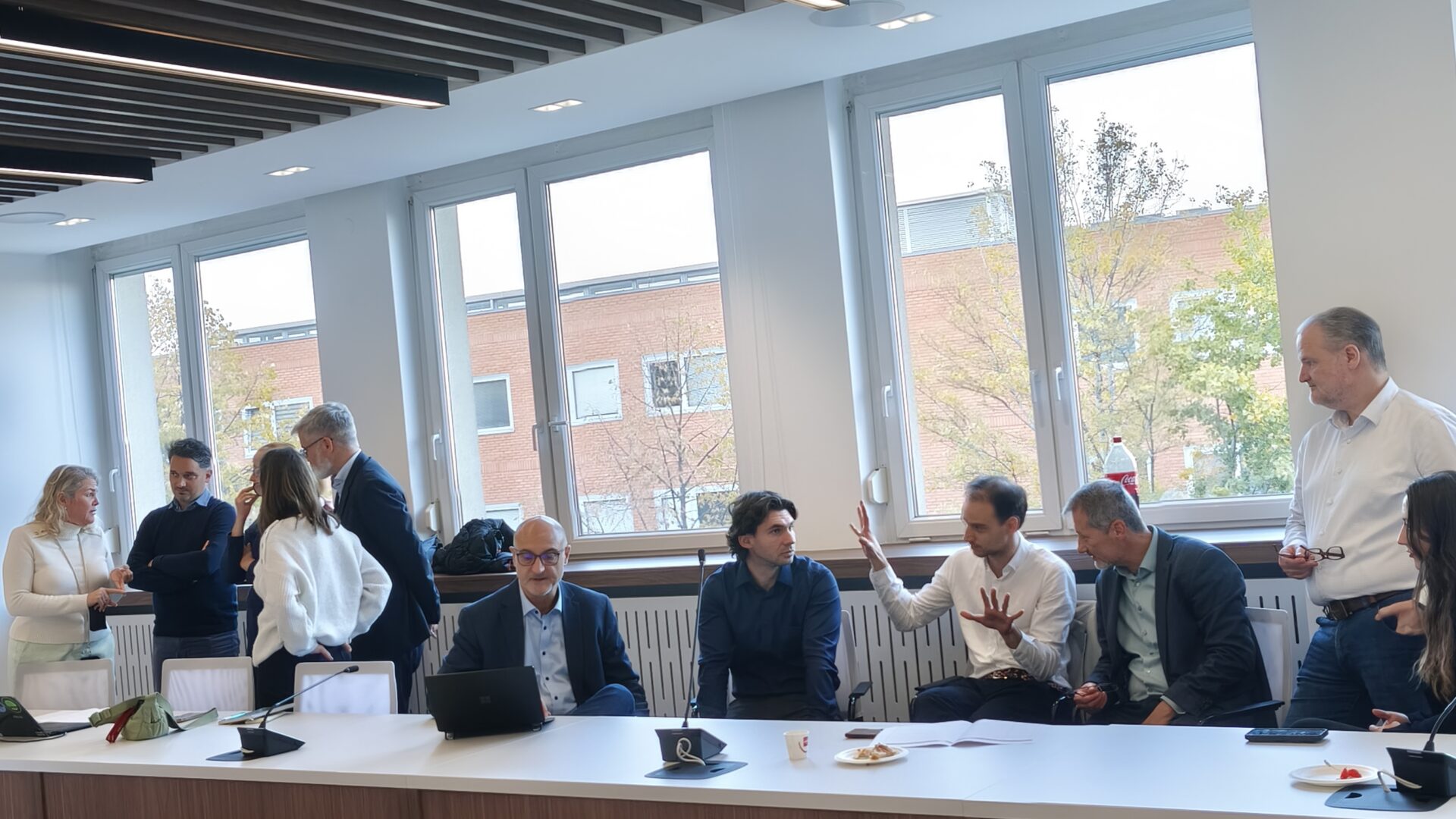


Obuda University Hosts Annual Plenary of the Statement for a Responsible Space Sector – 17 New Signatories Join
Obuda University hosted the annual plenary meeting of the signatories of the Statement for a Responsible Space Sector. Participants explored how sustainability commitments can be turned into practical solutions in spacecraft design, organizational competencies and joint action. Seventeen new signatory organizations joined at the plenary, broadening the community's expertise in fields such as engineering, cybersecurity, software development, finance and education.
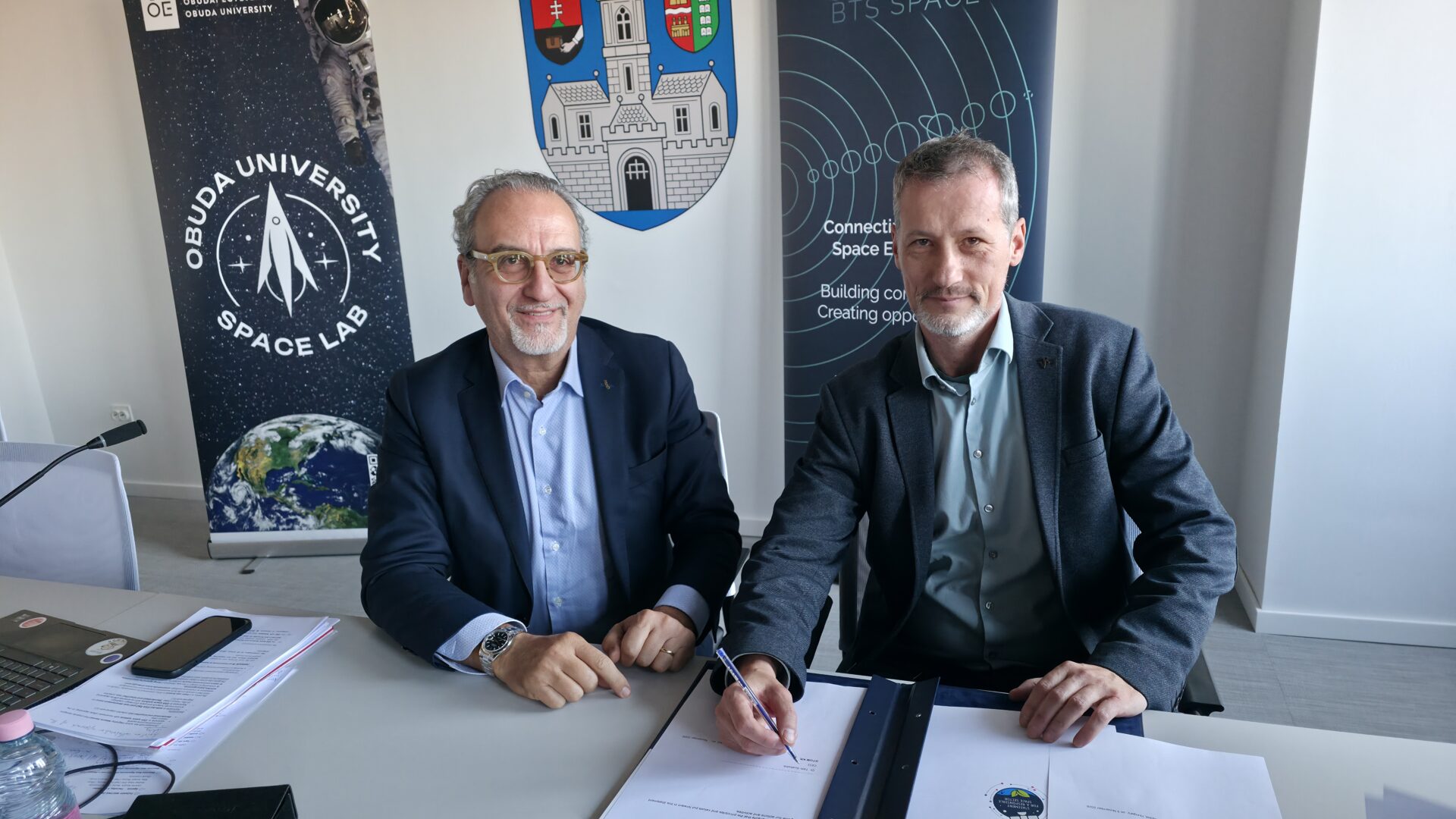
The plenary was chaired by Dr. Péter Kristóf, the Rector's Commissioner for Space Affairs at Obuda University and Chair of the Statement's 2026 plenary. Guests were welcomed by Viktória Sugár, Vice-Rector for Education and Sustainable Development; Orsolya Ferencz, Senior Researcher at the university's Kármán Space Center and former Head of the Hungarian Delegation to the European Space Agency (ESA); Annie Kazarján, professional assistant to the Deputy State Secretary for Innovation at Hungary's Ministry of Science and Technology; and Andrea Vena, Sustainability Officer at ESA. The plenary was preceded by Obuda University's 4th Space Day, held under the theme "Responsible and Sustainable Space for European Resilience." The signing ceremony held during the conference strengthened ties between the Hungarian and regional space ecosystem and the Statement's community, and the new signatories also introduced themselves at the plenary.
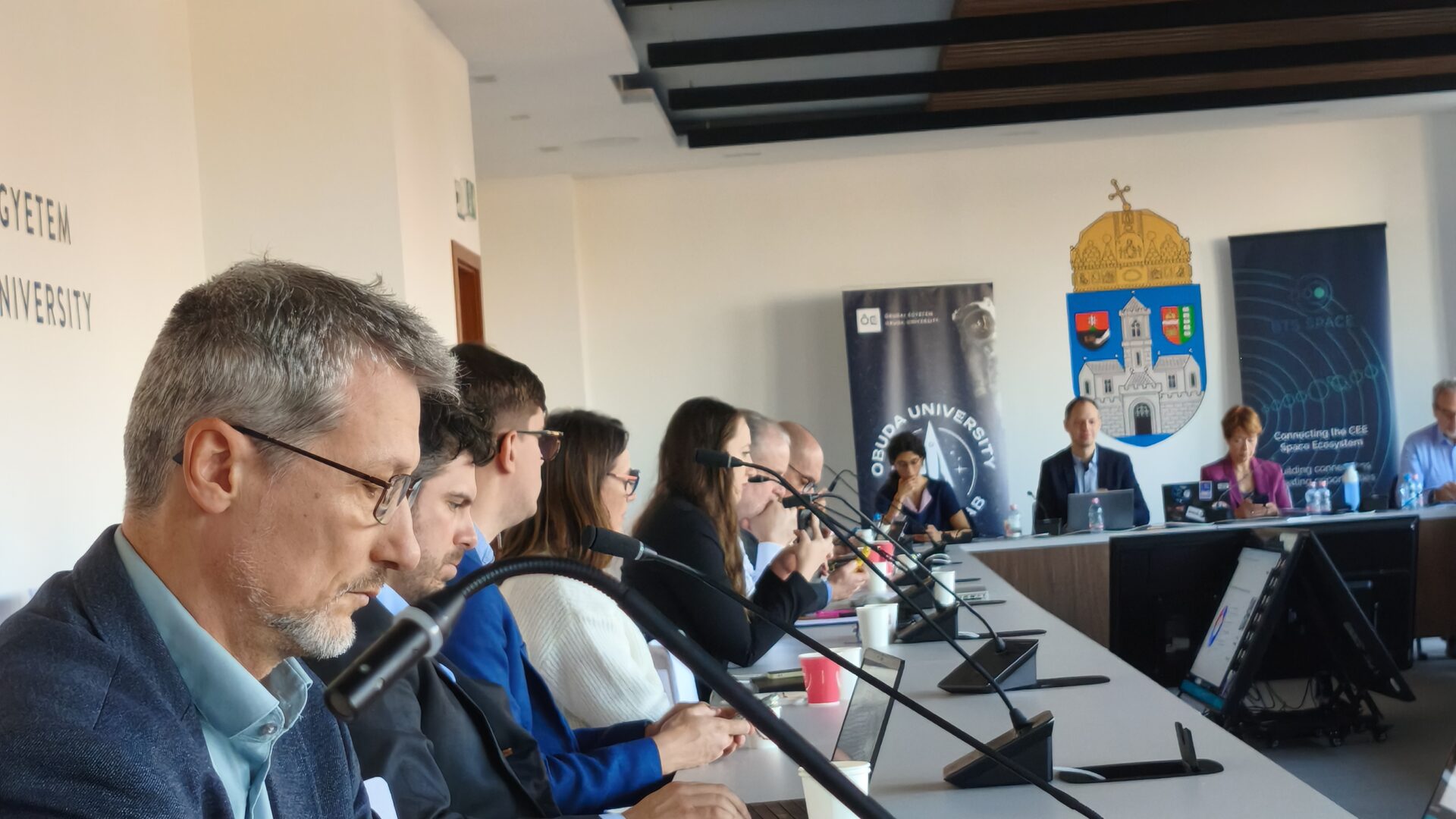
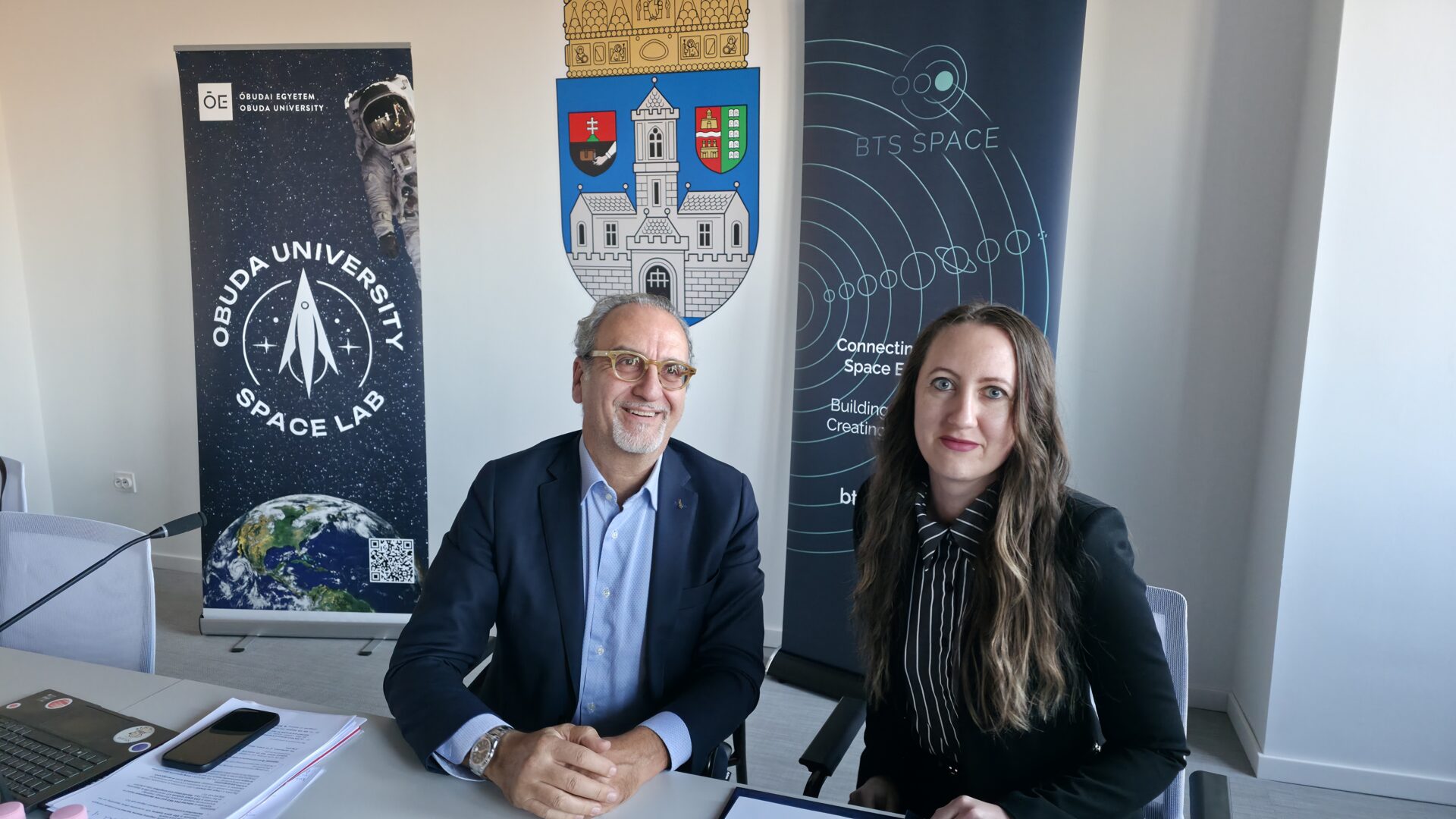
The new signatories include BTS Space Ltd., represented by founder and partner Sándor Kulcsár; C3S LLC, with Managing Director Gyula Horváth; eCon Engineering Ltd., with CEO Gábor Kiglics; GeoIQ Imaging Ltd., with CEO Gábor Kákonyi; Geo-Sentinel Ltd., with CEO Péter Farkas; GTGM Ltd., with CEO Dr. Szabolcs Tóth; and HolistiCRM Ltd., with CEO Csongor Fekete. Also joining the community were the Orion Space Generation Foundation, with senior expert Roland Meszter; PCB Design Ltd., with Business Development Manager Gábor Lakatos; the Polish Space Industry Association, with Head of Office Paweł Ziemnicki; Qyntar Plc., with CEO Péter Bolesza and CTO Szandra Steinle; REMRED Plc., with CEO Levente Balogh; Sigma Technologies, with Head of Space Research Center Balázs Supola; Skytrek Ltd., with CEO Don Koulauzos; the Slovak Space Cluster, with President Marek Košuda; SOLEYE Ltd., with CEO Dr. László Francsics; and Stradamus Plc., with CEO Áron Boros. These organizations bring new capabilities to the value chain in small satellites, engineering simulation, remote sensing, geodetic observation, optical instruments, electronic hardware, data analytics, consulting, finance, industry associations, regional clusters and education.
The professional program also focused on responsible design and the regulatory framework. Gyula Horváth, Managing Director of C3S LLC, spoke about how spacecraft can meet sustainability criteria and how CubeSats and small satellites can support sustainability on Earth. Paweł Ziemnicki examined the organizational skills needed for implementation, from international space law, space debris mitigation and planetary protection to European and national regulations. In a related practical exercise, participants ranked the most important environmental roles across the five life-cycle phases of a 2040s mission to Jupiter's moon Europa, designed to have the smallest possible environmental footprint.
On the topic of human spaceflight, Norbert Juhos, Senior Space Project Manager at Obuda University and former Director of Mission Operations and Training, presented the Hungarian to Orbit (HUNOR) program, covering astronaut selection, training and longer-term impacts. Tomas Hrozensky, Deputy Director for European Affairs, Communications and Media at the European Space Policy Institute (ESPI), analyzed Europe's growing role in space policy and funding, the importance of security and strategic autonomy, and the social and economic benefits of space activities. He also cited an October 2026 Ipsos bva survey, in which 63 percent of respondents said space investments contribute to economic growth.
According to the working group reports, the Ecodesign and Life Cycle Assessment working group has published its practical toolkit on the Statement's website, the Circular Economy working group's white paper draft will be released by the end of 2026, and Taxonomy 4 Space has examined criteria for sustainable finance.
The subsequent forum, co-chaired by Luise Clemens, Strategic Planning Analyst at ESA, covered expanding participation, the idea of a three-to-five-member steering committee, the 2027 European space sector decarbonization roadmap, sustainable procurement, and plans to move the website to the esa.int domain. The program was rounded off by networking with the Hungarian space ecosystem, an optional university tour led by Prof. Péter Galambos, Vice-Rector for Innovation (including the IT Evolution technology history exhibition and the Antal Bejczy Center for Intelligent Robotics), renewed commitments, and the election of the next chair.