


Humanoid Robot and VR: OE Innovations at Anatomy & Innovation Center Opening
Researchers from Obuda University took part in the opening event of Semmelweis University’s National Medical Innovation Training Centre (NOIKK/AICER) on 9–10 October with expert lectures and two technology demonstrations. The international AICER Symposium focused on surgical robotics, artificial intelligence, medical imaging and innovative technologies in medical education.

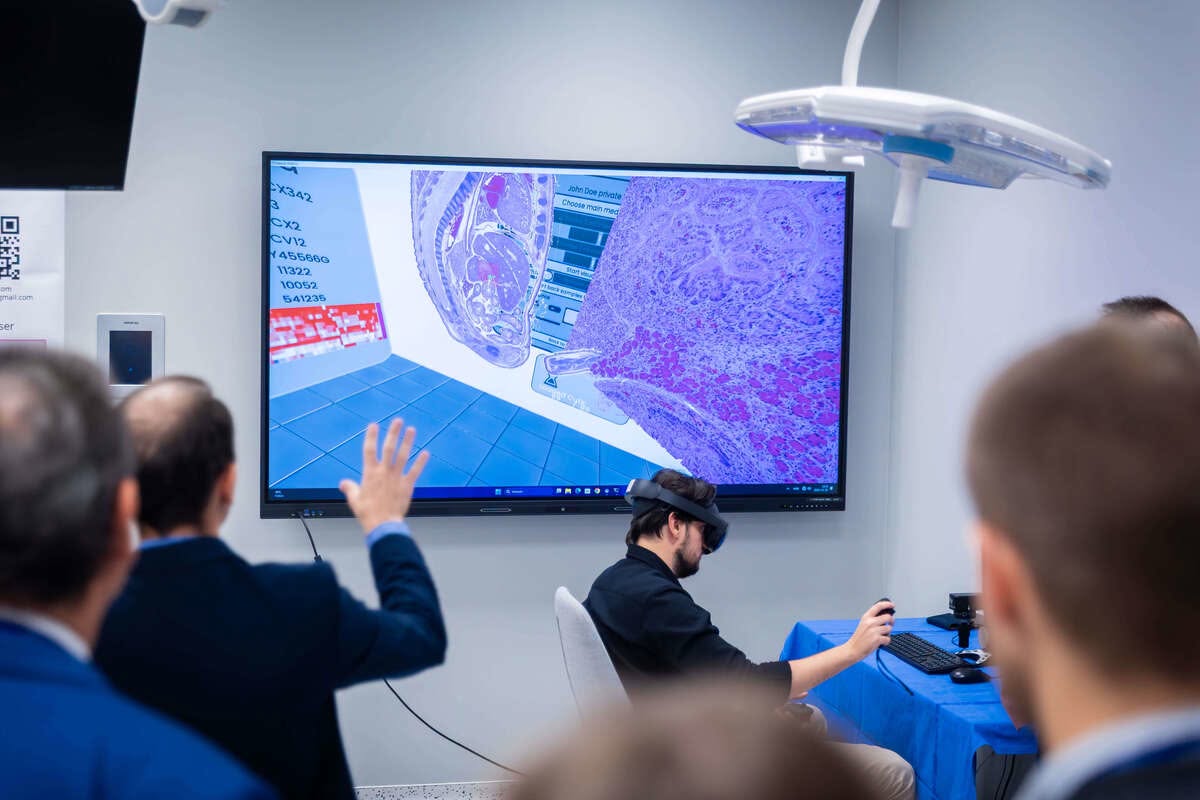
Obuda University also contributed two demonstrations to the event. Miklós Vincze and Zalán Miller presented PathoVR, a system that enables digital pathology slides to be displayed and examined in three dimensions in virtual reality, opening new perspectives in medical education and research.
In the second demonstration, Prof. Dr. Tamás Haidegger, Kristóf Takács and Károly Oláh showcased the capabilities of a Unitree G1 humanoid robot in NOIKK’s real operating theatre environment. Participants watched the robot in action during a live demonstration and gained insight into the technological opportunities and challenges of using humanoid robots in healthcare. The aim of the demonstration was to explore how humanoid robots could be used in operating theatres and to jointly discuss possible future research and development directions. During the breaks, the robot also greeted the wider audience in the main hall.
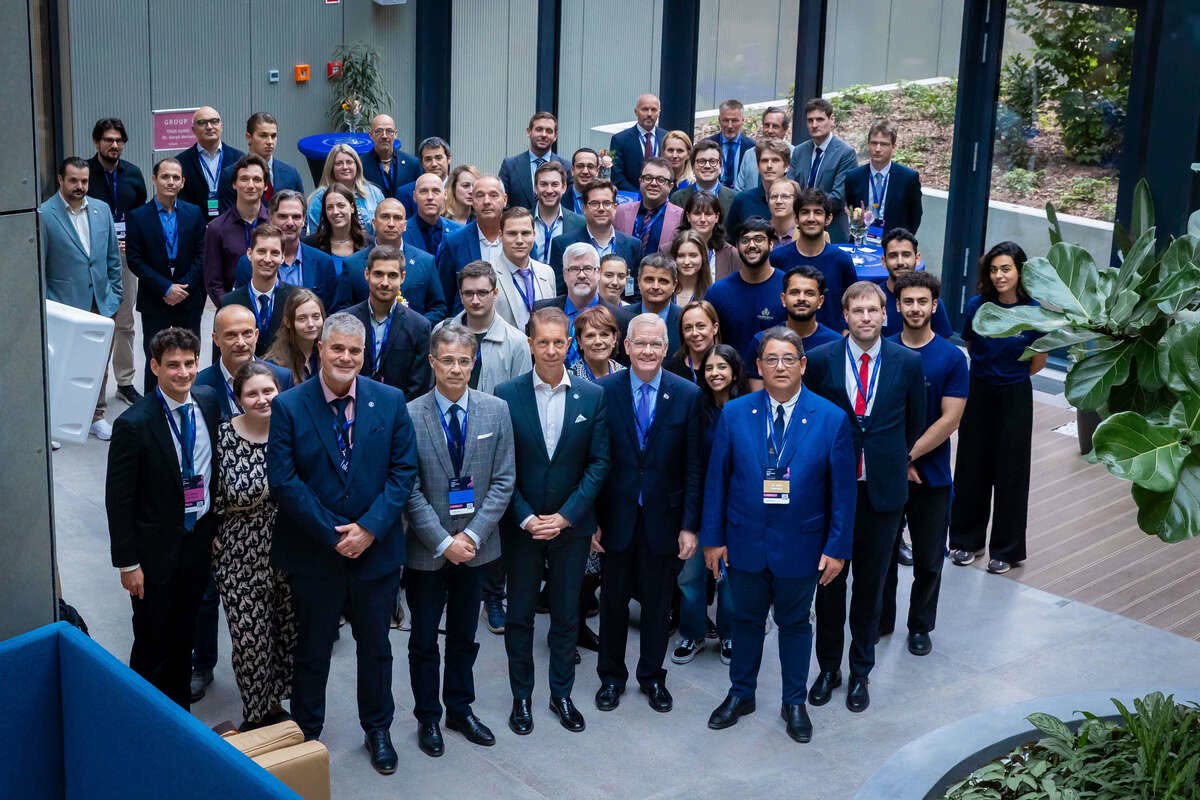
Obuda University’s participation highlighted the potential for cooperation between the two universities, particularly in the research and development of surgical robotics, artificial intelligence and future medical technologies. The two universities will strengthen this partnership in the near future by signing a bilateral research agreement.